
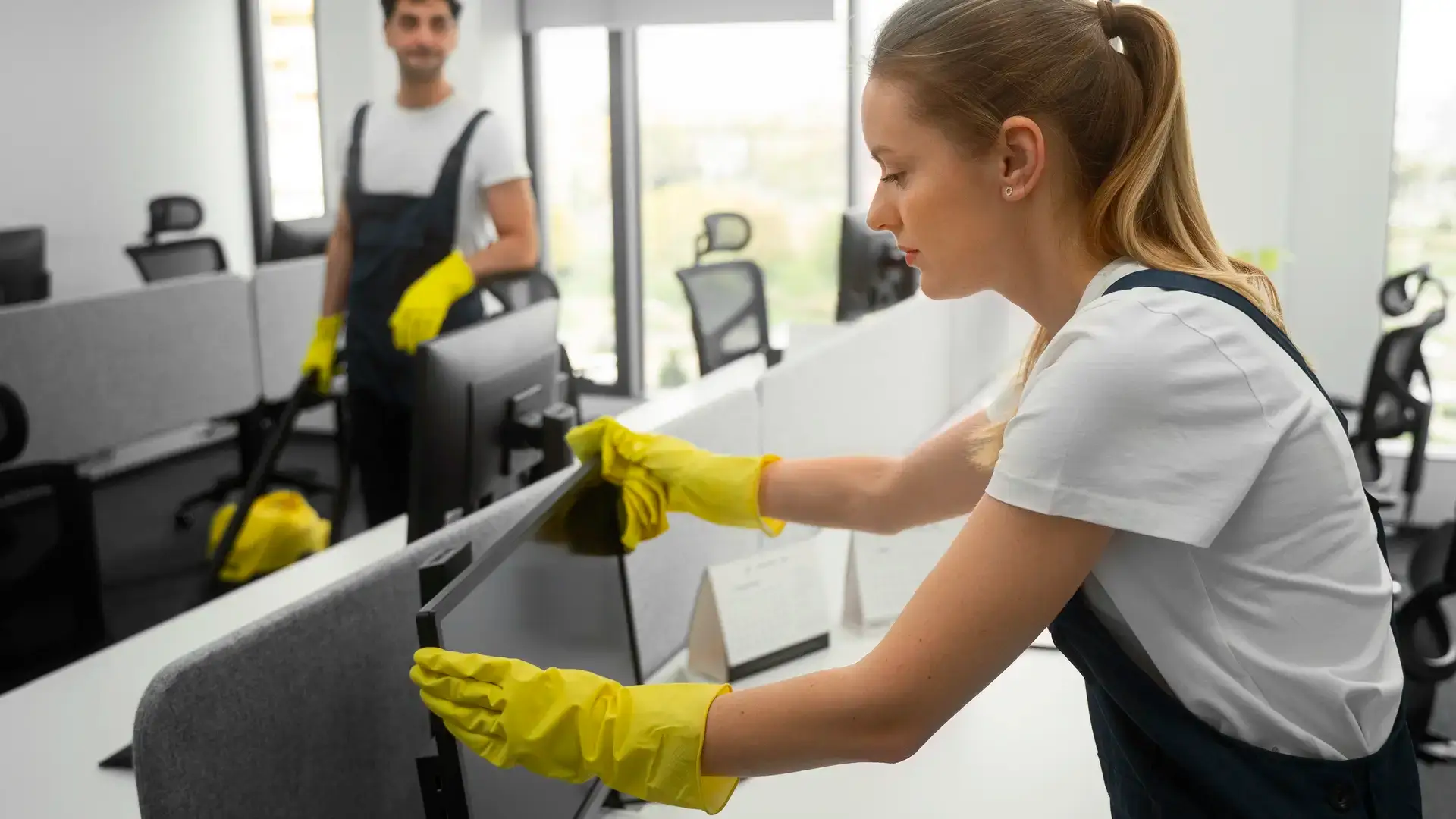
Coworking spaces run on trust. Members pay to use a professional environment, and they expect it to look and feel like one every single time they show up. When a shared desk carries someone else’s coffee ring or the restroom runs out of supplies by noon, that trust erodes quickly and members start shopping for alternatives.
Reliable coworking space cleaning in Birmingham, AL does more than maintain appearances. It actively supports the member experience, protects the health of everyone who uses the space, and signals to prospective members that this is a place worth their investment.
What makes coworking space cleaning in Birmingham, AL different
A coworking facility is not a typical office. Where a traditional office has a fixed roster of employees using the same desks each day, a coworking space has rotating members, day pass visitors, and sometimes event attendees all sharing the same surfaces within a single week.
This rotation creates a higher-than-average need for consistent sanitizing rather than just surface cleaning. A desk that looks clean may still carry bacteria from the previous user. A breakroom counter that was wiped in the morning may have seen a dozen different people’s coffee cups by the afternoon.
Cleaning plans for coworking spaces typically need to account for:
- Hot desks and dedicated desks that see different users throughout the week
- Phone booths and focus rooms used by different members throughout the day
- Shared printers, scanners, and office equipment touched by everyone
- High-volume breakrooms used far more intensively than a comparable private office
- Event spaces that go from empty to full and back again in a matter of hours
A cleaning provider that understands the member-rotation model tends to build very different plans than one accustomed to cleaning static office accounts.
High-touch surface cleaning in shared workspaces
The most important cleaning focus in any coworking space is high-touch surface cleaning. Shared surfaces like desks, door handles, light switches, printer buttons, and shared kitchen appliances are contacted dozens of times per day by different people with different health situations.
A daily disinfecting routine for these surfaces reduces the overall germ load in the space, which directly affects how often members get sick and whether they associate the coworking space with a healthy, professional environment or a place where they always seem to catch something the week after visiting.
Key high-touch surfaces in a coworking space:
- Desk surfaces and chair armrests at hot desk stations
- Door handles and light switches throughout the facility
- Shared phone booths: handsets, buttons, and surfaces
- Breakroom counters, appliance handles, and sink faucets
- Meeting room tables, chairs, and whiteboard markers
Wiping these surfaces at the start of each day and again in the afternoon during peak-use periods catches the buildup that a once-daily routine misses.
Breakroom cleaning standards for shared kitchens
Breakrooms in coworking spaces are among the most heavily used areas in the facility, often serving dozens of people who each have their own habits around cleanliness. Regular cleaning catches what individual users miss and keeps the space from becoming a source of friction among members.
A consistent breakroom cleaning plan includes:
- Wiping counters, stovetops, and appliance exteriors after peak use periods
- Cleaning the sink, faucet, and drain daily
- Emptying trash and recycling bins before they overfill
- Restocking coffee and pantry supplies as part of the visit
- Deep cleaning the refrigerator on a set schedule, typically weekly
Breakrooms that smell clean and look organized send a strong signal about the overall quality of the facility, even to members who rarely use that area.
Restroom disinfection for multi-user facilities
Restrooms in a coworking space face a higher volume of use per square foot than almost any other area. A facility with 50 to 100 members coming and going in a day can put serious strain on a restroom that is only cleaned once in the morning.
Restroom disinfection should happen at least twice per day in a busy coworking facility, with supply restocking and a quick check in between. Facilities that experience high day-pass traffic, event use, or lunchtime peak periods may need three cleaning passes to stay ahead of the volume.
The areas that need the most attention in a coworking restroom:
- Toilets and urinals, cleaned and disinfected at each pass
- Sinks, faucets, and soap dispensers restocked and sanitized
- Door handles and flush levers as part of high-touch surface rounds
- Floors mopped or spot-cleaned at each visit
- Trash bins emptied before they fill completely
A restroom that runs out of soap or paper towels midday is one of the fastest ways to generate negative member feedback, so restocking checks should be built into every cleaning visit.
Cleaning between member events and private bookings
Many coworking spaces rent out meeting rooms, event halls, or private offices for short-term bookings. These spaces need a quick reset between each use, not just an end-of-day clean, since the next booking may arrive within minutes of the previous one ending.
A between-booking reset typically covers:
- Wiping the table and all chairs
- Collecting forgotten cups, glasses, or plates
- Resetting any whiteboards or presentation areas
- Checking the floor for crumbs or debris
- Restocking any supplies, like markers or notepads
For coworking operators, building this turnaround clean into the booking schedule rather than treating it as optional helps guarantee that every member starts their booking in a consistently fresh room.
What to look for in a coworking cleaning partner
Coworking operators deal with member feedback in real time. A dirty bathroom or a sticky shared desk becomes a Slack message or a review within the same day, which means the standard of cleaning has to be consistently high rather than just occasionally good.
When evaluating a cleaning company, coworking operators typically benefit from asking:
- Can they clean daily, or even multiple times per day during peak periods?
- Do they have experience with facilities that see constant member rotation?
- Can they adapt a plan as the space grows or adds new service areas?
- Are staff background checked and insured for a high-access environment?
A provider with flexible scheduling and an understanding of the member experience model tends to be a far better long-term fit than one accustomed to servicing traditional nine-to-five offices.
How often should a coworking space be cleaned
Most coworking facilities benefit from daily cleaning of all common areas, with a midday check of restrooms and breakrooms during peak periods. Dedicated desk areas can follow a weekly deep clean while hot desks benefit from daily surface wipes. Meeting rooms need both a standard end-of-day clean and quick resets between bookings throughout the day.
According to the CDC’s guidance on cleaning and disinfecting shared facilities, high-touch surfaces in shared buildings should be cleaned at least once a day, with more frequent attention in high-traffic areas, which describes nearly every zone in an active coworking space.
Frequently asked questions
How often should a coworking space be cleaned? Daily cleaning of all common areas is standard, with restroom and breakroom checks mid-day during peak hours. High-touch surfaces like desks and door handles benefit from more than one cleaning pass per day.
Do hot desks need to be cleaned between every user? At minimum, a daily sanitizing wipe of desk surfaces and chair armrests is recommended. In higher-volume facilities, cleaning between each rotation of users is a better standard.
Can one cleaning company handle both daily cleaning and event turnarounds? Yes. Many commercial cleaning providers can build both into a single service plan, covering daily maintenance and on-demand event resets as part of the same agreement.
What is the single most important area to clean in a coworking space? High-touch surfaces and restrooms tend to have the most direct impact on member satisfaction. A clean restroom that is reliably stocked is one of the most noticed details in any shared workspace.
Scaling cleaning as a coworking space grows
A coworking facility that starts with 20 members and grows to 80 or 100 needs a cleaning plan that grows with it. What worked at the beginning, perhaps a once-daily clean by a small team, often stops being sufficient well before operators notice the signs. Restrooms that ran out of supplies twice last month will run out four times next month with 50 more members in the building.
The smarter approach is to build cleaning benchmarks into the growth model from the start. When daily check-in volume crosses a certain threshold, a midday restroom visit gets added. When a new event space opens, a between-booking reset protocol goes in place at the same time. This keeps cleaning from falling behind the pace of growth rather than catching up to it reactively.
Operators who communicate cleaning standards as a visible part of the member value proposition, rather than treating it as a behind-the-scenes maintenance task, also tend to see fewer complaints and more positive mentions in member reviews. Cleanliness is one of the handful of facility details that members consistently mention when recommending a coworking space to colleagues.
What makes a coworking space feel clean to members
There is a difference between a space that has been cleaned and a space that feels clean. The second matters more to members. Smell is one of the fastest signals, since a facility that smells neutral or fresh reads as clean even before a member looks at a single surface. A space with a faint smell of old coffee or gym-level staleness registers as neglected regardless of when the floors were last mopped.
Visual tidiness in common areas matters just as much. A breakroom counter with a few crumbs or an overflowing recycling bin near the hot desks both read as a space that is not being cared for, even if the actual germ load is low. A professional coworking space cleaning in Birmingham, AL routine that includes smell management, visual tidiness checks, and surface disinfecting together covers all three of the cues members actually use to judge the space.
A cleaner coworking space, a better member experience
Members choose a coworking space partly for the community and partly for the environment. Coworking space cleaning in Birmingham, AL that keeps the shared desks, breakrooms, and restrooms consistently clean removes one of the most common reasons members leave and turns cleanliness into a quiet but powerful part of what the space offers.
If your coworking facility is ready for a more dependable cleaning routine, Pristine Cleaning’s commercial cleaning services can build a plan around your facility’s hours and layout. If your building also includes a retail or event-facing component, our retail store cleaning guide covers similar high-rotation, customer-facing challenges. Request your free estimate to get started.