
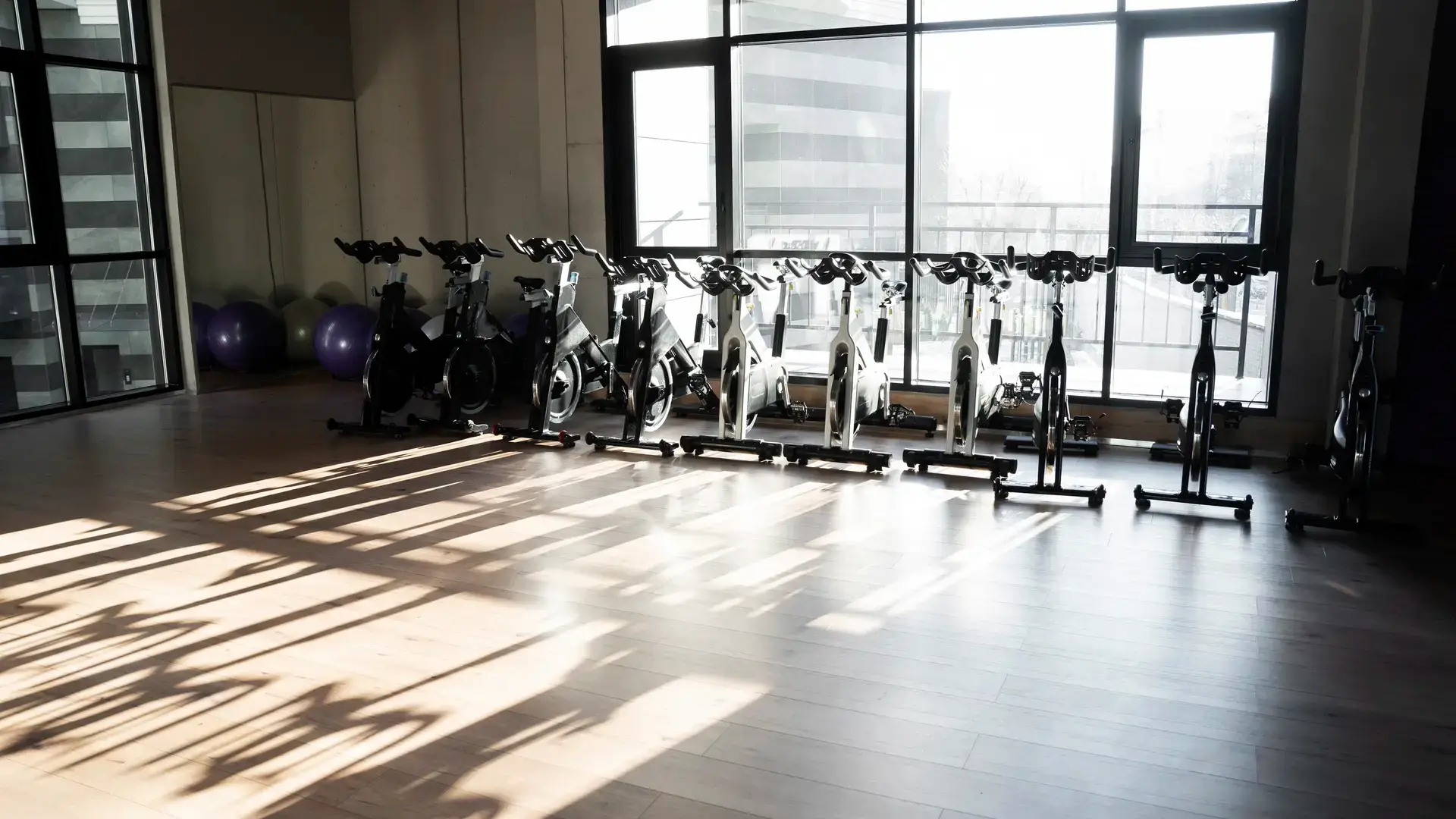
A gym that smells clean, has sanitized equipment, and keeps its locker rooms in good condition sends a clear signal to members: this is a place that takes their health seriously. A gym that does not sends the opposite message, and in a competitive fitness market, members have plenty of alternatives.
Consistent gym cleaning services in Birmingham, AL do more than meet a baseline standard. They protect members from bacterial infections that spread easily on shared equipment, extend the lifespan of expensive machines, and make the facility a place people want to come back to.
What professional gym cleaning services include
Fitness facilities have a wider range of surfaces and zones than most commercial spaces, from vinyl-coated weight benches to rubber flooring to tile and grout in wet areas. A cleaning plan built for a gym needs to account for all of them, not just the open floor area.
A thorough gym cleaning plan typically covers:
- Wiping and disinfecting cardio machines, including handles, screens, and consoles
- Cleaning weight benches, free weights, and resistance machines
- Vacuuming and mopping rubber flooring throughout the workout area
- Cleaning and disinfecting locker rooms, including showers, sinks, and toilet areas
- Scrubbing tile and grout in wet areas on a regular deep-clean schedule
- Wiping down stretching areas, yoga mats, and foam rollers
- Emptying trash and replenishing sanitizing wipe stations
- Cleaning front desk surfaces, check-in areas, and any retail or juice bar zones
Each zone needs a slightly different approach, since the cleaning requirements for a treadmill handlebar are different from those for a locker room bench or a shower floor.
Equipment sanitizing in a commercial gym
Shared fitness equipment is the primary surface concern in any gym environment. Dozens of members may use the same treadmill, cable machine, or dumbbell set in a single day, each leaving sweat, skin oils, and bacteria behind. Equipment sanitizing done properly goes beyond a quick spray and wipe.
The correct process for fitness equipment:
- Wipe visible sweat and debris from the surface with a cloth and mild cleaner.
- Apply a disinfectant appropriate for vinyl, rubber, or metal surfaces, following the product’s required contact time.
- Wipe dry to prevent moisture from sitting on padding or electronic components.
- Pay special attention to handles, grips, seat adjustments, and any buttons or screens that hands contact directly.
Electronic components like screens and consoles need extra care. Spraying directly onto a screen can cause moisture damage, so cloth-first application is the safer approach regardless of the product being used.
Locker room cleaning standards
Locker rooms are where hygiene standards are tested most visibly. Showers, floors, and benches in wet areas are high-risk surfaces for bacterial growth, mold, and the spread of skin infections. Members notice the condition of a locker room more than almost any other part of the facility, and a poorly maintained locker room is one of the fastest ways to lose membership renewals.
A thorough locker room cleaning plan includes:
- Scrubbing shower stalls, including walls, floors, and any seating
- Cleaning and disinfecting toilet areas and sinks at every cleaning visit
- Mopping the full locker room floor, including in corners and around locker bases
- Wiping locker exteriors and bench surfaces
- Restocking soap, paper towels, and any other supplies
- Checking for and removing mold or mildew in grout or tile on a scheduled basis
The frequency that works for most gyms includes a daily full locker room clean plus a midday check during peak membership hours, since heavy morning and evening traffic can overwhelm a once-daily schedule in a busy facility.
High-touch surface disinfecting throughout the facility
Beyond the equipment and locker rooms, a gym has dozens of other high-touch surfaces that affect member health. Door handles, light switches, water fountain buttons, check-in tablets, and vending machine buttons are all touched repeatedly throughout the day by members who have just been working out.
Disinfecting these surfaces daily, as part of a structured gym cleaning services in Birmingham, AL routine, reduces the germ load across the whole facility rather than just the most visible workout areas. Member-facing hand sanitizer stations and wipe dispensers placed throughout the floor help bridge the gap between professional cleaning visits, but they are not a substitute for consistent scheduled cleaning.
Rubber flooring care and maintenance
Gym flooring, particularly the thick rubber tiles used in weightlifting areas, requires different care than standard commercial flooring. Rubber is durable but porous enough to trap sweat and odor if not cleaned thoroughly and regularly.
Dry mopping or vacuuming removes chalk dust and debris before wet cleaning. A damp mop with a neutral pH cleaner, rather than a harsh chemical, is generally the right choice for rubber flooring since strong degreasers can degrade the material over time. High-traffic sections near the free weight area may need daily wet mopping, while lower-traffic stretching zones can often be managed with less frequency.
Tile and grout in wet areas, including showers and locker rooms, needs periodic deep scrubbing on a schedule separate from daily cleaning, since regular mopping is not enough to prevent grout discoloration and mold buildup over time.
What to look for when hiring a gym cleaning company
Gyms present specific challenges that not every commercial cleaning company is prepared for. Cleaning around expensive equipment requires care to avoid damage, wet areas need products safe for tile without creating a slip hazard, and the schedule often has to work around early morning and late evening peak membership hours.
Key questions for evaluating a gym cleaning provider:
- Do they have experience with fitness facility environments specifically?
- Are they familiar with safe product choices for rubber flooring, vinyl padding, and tile in wet areas?
- Can they accommodate early morning, midday, and late evening scheduling?
- Are staff background checked and insured for a member-access environment?
- Do they provide midday touch-up visits in addition to deep cleaning?
A provider who understands the difference between a standard commercial clean and the specific requirements of a fitness facility will consistently deliver better results.
How often should a gym be professionally cleaned
According to OSHA’s general industry sanitation standards, workplaces must be maintained in a clean and sanitary condition, which for a commercial gym means daily cleaning of all member-use areas, with particular attention to wet zones and shared equipment. Most fitness facilities in Birmingham that see moderate to high membership traffic benefit from a daily full clean, a midday equipment wipe-down, and a periodic deep cleaning of tile, grout, and locker room surfaces.
Ventilation, odor control, and air quality in a fitness facility
A gym that smells clean is not just more pleasant. It signals to members that the space is being actively maintained. Sweat odor in a gym typically comes from bacteria on surfaces and in fabric, not just from the air itself, which means that improving a gym’s smell requires cleaning those surfaces consistently rather than masking the odor with air freshener.
Good ventilation works alongside regular cleaning to reduce odor and improve air quality. HVAC filters in a gym need to be cleaned or replaced more frequently than in a typical office because sweat particles, rubber dust from flooring, and chalk from weight areas circulate through the system continuously. Scheduling filter maintenance as part of the same overall cleaning contract, or at minimum coordinating it with the cleaning schedule, keeps the air environment from becoming the gym’s biggest problem even when the surfaces are clean.
Fitness studio versus large commercial gym cleaning
The cleaning needs of a boutique fitness studio, such as a yoga studio, spin studio, or barre class space, are meaningfully different from those of a full-service commercial gym with locker rooms and weight equipment. Studios often have smaller square footage but much higher density of use per square foot, since a spin class packs 20 to 30 people into a single room for 45 minutes.
Bike handles, pedal straps, and mats in a cycling studio accumulate more sweat per session than most pieces of equipment in a larger gym. A boutique studio cleaning plan needs to account for this intensity, with thorough equipment wipe-downs after every class and a deeper clean between morning and evening class blocks on busy days.
Common mistakes gyms make with cleaning
Relying entirely on member-use wipe stations is one of the most common gaps in gym hygiene. Wipe stations are useful for quick between-use swipes, but they do not constitute a cleaning program. Bacteria build up on surfaces that are wiped but never properly disinfected, and some members do not use the stations consistently.
Another common issue is neglecting areas that are out of sight, such as under equipment, in corners of the free weight area, and behind locker room fixtures. These spots accumulate sweat residue and dust that contributes to odor and eventual surface degradation if they are not cleaned regularly.
Frequently asked questions
How often should gym equipment be professionally cleaned? Equipment surfaces benefit from daily professional cleaning, with a midday wipe-down during peak hours in busy facilities. High-touch handles and seats used repeatedly throughout the day may need more frequent attention.
Can a commercial cleaning company handle wet areas like showers? Yes. A cleaning company experienced with fitness facilities should be comfortable with tile, grout, and wet area cleaning as part of a standard service plan.
What products are safe for rubber gym flooring? Neutral pH cleaners are generally the right choice. Harsh degreasers and bleach-based products can degrade rubber over time. A professional cleaning company familiar with gym environments will use appropriate products for each surface type.
How do I know if my gym’s cleaning standard is high enough? Member feedback is often the clearest signal. Complaints about locker room odor, visible grime on equipment, or running out of wipe station supplies midday are all signs that the current cleaning frequency is not matching the facility’s traffic level.
A cleaner gym, a stronger member community
Members who feel confident about the hygiene of a gym are more likely to attend regularly, recommend it to others, and renew their membership. Reliable gym cleaning services in Birmingham, AL that cover equipment, locker rooms, and high-touch surfaces keep that confidence in place day after day.
If your fitness facility is ready for a dependable cleaning partner, Pristine Cleaning’s commercial cleaning services can build a plan around your facility’s hours and zones. For other commercial spaces in Birmingham that require consistent disinfection standards, our daycare cleaning services guide covers another high-hygiene environment with similarly rigorous needs. Request your free estimate to get started.