
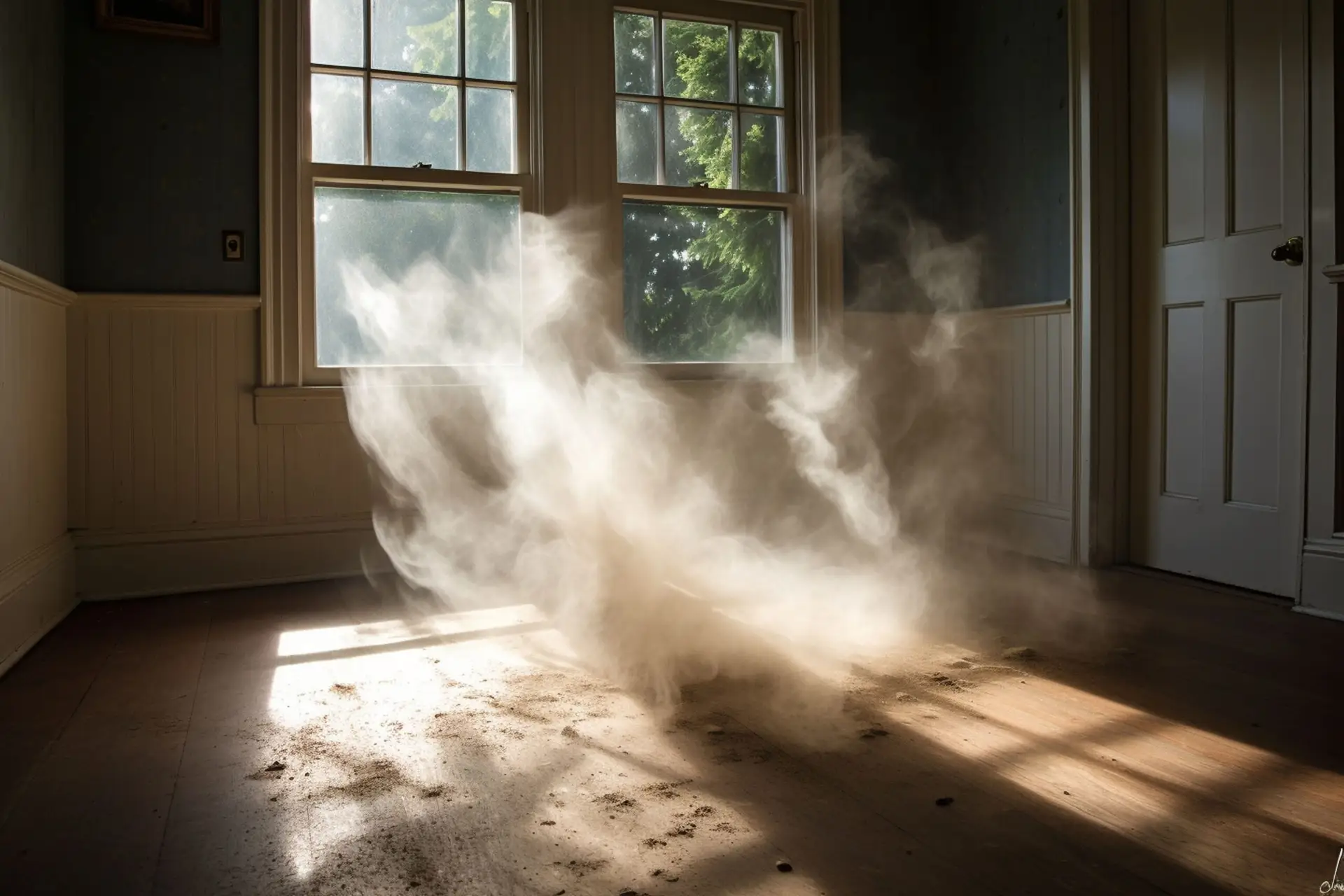
Maintaining a pristine home often feels like a losing battle against the elements. Every time you open a door, walk in from the outdoors, or even just move about your living space, you are introducing microscopic particles—pollen, soil, pet dander, and outdoor debris—into your sanctuary.
While a layer of dust might seem like a mere aesthetic nuisance, it is actually a primary driver of poor indoor air quality and surface wear. By understanding how these particles enter and accumulate, you can shift from reactive “catch-up” cleaning to a proactive maintenance strategy that keeps your floors gleaming and your home environment significantly more comfortable.
Why This Cleaning Task Matters
Beyond the visible layer of gray fuzz on your shelves, everyday dirt and dust are abrasive. When dust settles on hardwood floors or polished surfaces, it acts like sandpaper underfoot, creating micro-scratches that dull your home’s finish over time.
Furthermore, dust is a magnet for allergens, bacteria, and chemical residues. When these particles collect in vents, ceiling fan blades, or deep within upholstery, they become airborne every time your HVAC system kicks on or a fan spins, directly impacting the air you and your family breathe. Preventing this buildup is infinitely easier—and healthier—than attempting to perform a massive deep clean once the grime has become entrenched.
Step-by-Step Cleaning Method
A proactive defense is the key to a cleaner baseline. Follow this systematic approach to stop dirt at the door and minimize settling throughout your rooms.
Defend the Entryway
The most effective way to keep your home clean is to stop dirt before it crosses the threshold.
- Layered Mats: Place a durable, coarse rubber or coir mat outside the door to scrape off larger debris, followed by a soft, absorbent indoor mat to catch finer dust and moisture.
- The Shoes-Off Zone: Create a designated area for shoe storage near the entrance. Keeping outdoor shoes contained prevents the tracking of soil and outdoor contaminants deep into your living areas.
The Top-Down Dusting Rule
Always clean from the highest point in the room downward. Dust and debris naturally fall when disturbed; if you vacuum floors before dusting shelves, you will simply end up with a fresh layer of dust on your clean carpets.
- Start with: Ceiling fans, light fixtures, and the tops of tall cabinets.
- Finish with: Baseboards and floors, which collect the final drift from your dusting efforts.
Vacuuming for Efficiency
Use a vacuum equipped with a HEPA filter whenever possible. Unlike standard filters, HEPA technology traps microscopic particles like pet dander and pollen rather than blowing them back out into the room. Pay special attention to high-traffic paths and the edges under furniture, where dust bunnies thrive.
Mistakes to Avoid
Many homeowners inadvertently make their dust problem worse with common habits:
- Dry Sweeping/Dusting: Using a dry feather duster or an old-school broom often just lifts particles into the air, allowing them to resettle elsewhere. Use microfiber cloths or a damp cloth to trap the dust instead.
- Ignoring Invisible Spots: We tend to clean what we see. Regularly rotate your attention to often-overlooked areas like air vents, the tops of door frames, and the backs of electronic devices.
- Waiting for Visibility: If you can see the dust, it’s already built up. Establish a consistent, light maintenance schedule rather than waiting for the need to clean to become obvious.
When Professional Cleaning Helps
Even with the best preventive habits, life in a busy household can make deep, consistent maintenance a challenge. Dust settles in places that are difficult to reach—such as high crown molding, intricate light fixtures, or beneath heavy furniture—where it can persist for months.
Pristine Cleaning provides the professional-grade consistency needed to maintain that fresh baseline. By utilizing specialized tools and a systematic, room-by-room approach, we ensure that the hidden dust accumulation is removed, effectively improving your home’s air quality and protecting your surfaces from long-term wear.
Ready to stop battling dust and start enjoying a healthier, spotless home? Click here to schedule your recurring maintenance plan with Pristine Cleaning and experience the peace of mind of a professionally cared-for space!
FAQ
What is the best way to reduce dust at home?
The best approach is a combination of containment (using high-quality doormats and a shoes-off policy) and capture (using microfiber cloths and HEPA-filter vacuums rather than dry dusting, which stirs particles up).
How often should I vacuum high-traffic areas?
In a standard household, high-traffic areas should be vacuumed at least twice a week. If you have pets or children, a daily or every-other-day quick pass with a lightweight, cordless vacuum can make a significant difference in preventing buildup.
Can professional cleaning help with everyday dirt buildup?
Yes. Professional cleaners have the expertise and equipment to reach areas—like air vents, ceiling corners, and high shelving—that are often missed during routine cleaning, ensuring that dust doesn’t have the opportunity to accumulate into an allergen-rich problem.