
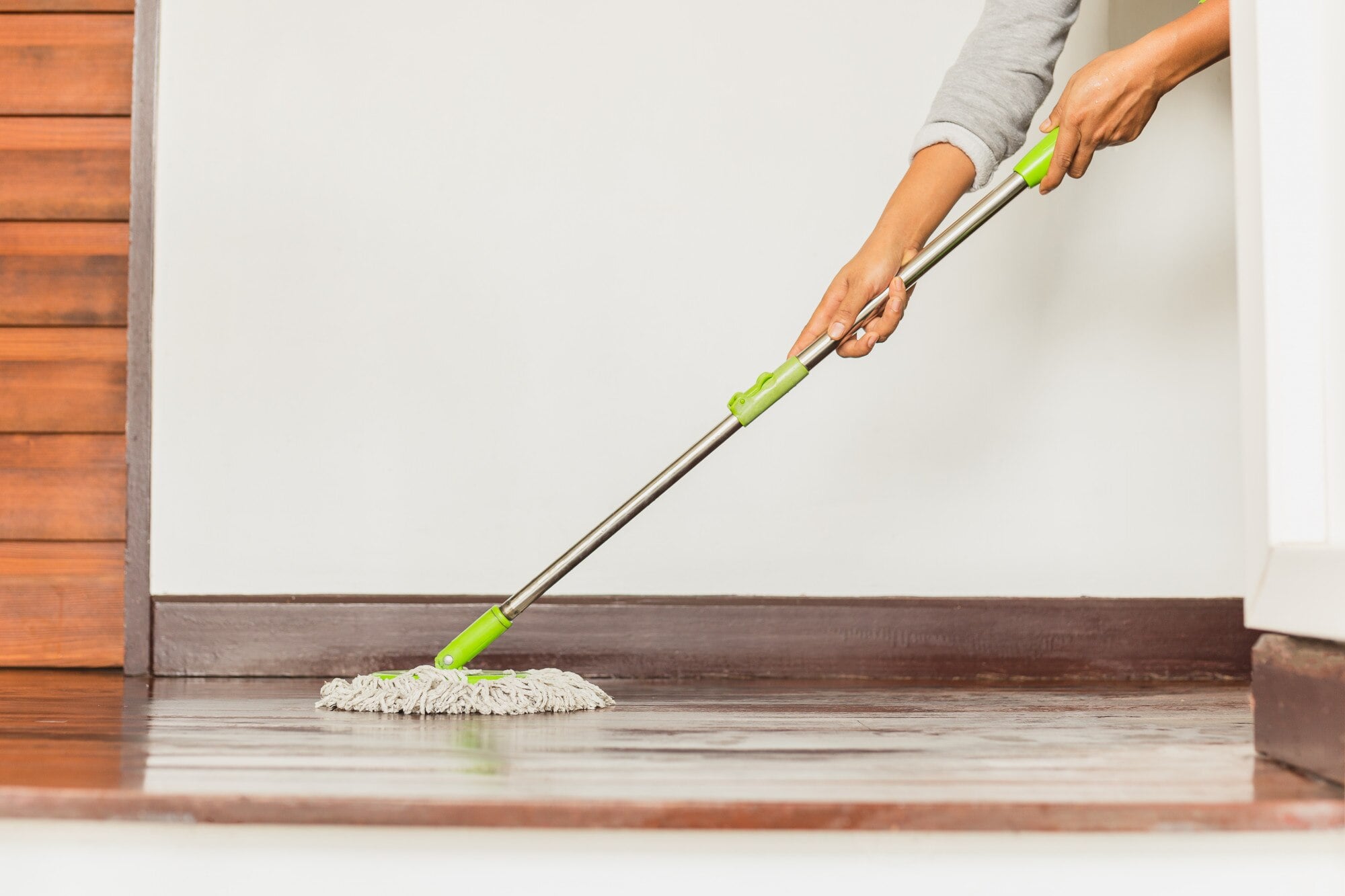
Baseboards are one of the most overlooked features in a home, yet they play a massive role in how clean your living spaces look and feel. Because they sit at floor level, they act as permanent magnets for dust, pet hair, scuff marks, and everyday grime. While regular floor vacuuming handles the center of the room, baseboards require a bit of targeted attention to keep your home looking truly crisp and polished.
Quick Answer: What Is the Best Way to Clean Baseboards?
The easiest and most efficient way to clean baseboards is to work from dry to wet:
- Vacuum First: Use a soft brush attachment on your vacuum cleaner to suck up loose dust, pet hair, and cobwebs from the top ledge and corners.
- Wipe Down: Dip a microfiber cloth or soft sponge into a warm water solution mixed with a few drops of mild dish soap, ring it out thoroughly, and wipe down the length of the baseboard.
- Dry and Polish: Follow up with a dry cloth to prevent water spots or soap residue buildup.
Why Baseboards Collect Dust and Dirt
Baseboards accumulate grime faster than almost any other surface due to a mix of static electricity, foot traffic, and gravity. As air circulates through your home, airborne dust particles settle downward and lock onto the narrow top ledge of the trim. Furthermore, shoes, vacuum cleaner bumps, and pets constantly scuff and smudge the vertical surfaces near the floor.
Supplies You Need
- Vacuum Brush Attachment: The fastest tool for removing loose surface dust without bending down.
- Microfiber Cloths: Excellent for trapping fine dust and wiping down surfaces without leaving lint.
- Mild Dish Soap: A few drops mixed with warm water creates a safe, effective cleaning solution for most trim types.
- Soft Sponge: Useful for washing textured or heavily soiled baseboards.
- Magic Eraser (With Caution): Great for lifting stubborn scuff marks, but use gently so you don’t wear down the paint finish.
How to Clean Painted Baseboards
Most modern homes feature painted wood or MDF baseboards. To clean them safely:
- Vacuum away loose dust and hair.
- Mix warm water with a tiny drop of dish soap in a bucket.
- Wipe the baseboards down using a damp (not dripping wet) microfiber cloth. Avoid soaking the wood, as excessive moisture can cause MDF to swell or paint to bubble.
- Dry thoroughly with a clean towel.
How to Clean Wood Baseboards
Stained or natural wood baseboards require extra care to protect their finish:
- Dust the surface thoroughly with a dry microfiber cloth or vacuum brush.
- Use a specialized wood cleaner or a heavily diluted mixture of mild soap and water. Never use harsh chemical all-purpose sprays, bleach, or abrasive pads, which can strip wood stain and scratch the protective polyurethane coating.
- Buff dry immediately, and consider applying a wood conditioner or polish periodically to maintain a rich, healthy sheen.
How to Remove Scuff Marks
Scuff marks from shoes, furniture legs, and vacuum bumpers are common on baseboards:
- The Eraser Method: Lightly dampen a Magic Eraser and buff the scuff mark in gentle, circular motions until it lifts.
- Baking Soda Paste: Mix baking soda with a little water to form a mild paste, apply it to a soft cloth, and rub the scuff gently before wiping clean. (Note: Always test a small hidden area first, as aggressive scrubbing can dull glossy paint finishes).
Baseboard Cleaning by Room
Kitchen
Kitchen baseboards deal with airborne cooking grease and food splashes. Use a mild kitchen degreaser or a warm dish soap solution to cut through sticky residue near the floor.
Bathroom
Bathrooms combine high humidity with floor dust, creating a sticky paste along baseboards. Pay close attention to corners and areas near the toilet and shower.
Bedrooms
Bedrooms accumulate high concentrations of dust and pet hair. HEPA vacuum attachments work wonders here to clear out fur trapped between the carpet and the trim.
Hallways
High-traffic hallways collect heavy scuff marks from shoes and bags. Focus on using a magic eraser or multi-surface cleaner to lift black heel marks.
How Often Should Baseboards Be Cleaned?
- Every 1 to 2 Months: A quick dusting or wipe-down keeps baseboards looking fresh and prevents thick dust layers from baking onto the surface.
- Quarterly or Seasonally: Incorporate baseboard washing into your seasonal deep-cleaning routine to catch overlooked scuffs and buildup. (For a complete home checklist, see our guide on the deep cleaning checklist).
When Deep Cleaning Services Help
Scrubbing every baseboard throughout an entire multi-level home means getting down on your hands and knees for hours of exhausting manual labor. Hiring a professional house cleaning service ensures that baseboards, door frames, and high-touch trim are detailed and polished to perfection, giving your home a flawless, professional finish without the physical strain.
FAQ
What is the easiest way to clean baseboards?
The easiest way is to vacuum them using a soft brush attachment to remove loose dust, then wipe them down quickly with a damp microfiber cloth dipped in warm soapy water.
How do you clean baseboards without damaging paint?
Clean painted baseboards without damage by using a mild dish soap solution, avoiding harsh chemical solvents or abrasive scrubbers, and ensuring your cloth is damp rather than soaking wet.
Can Magic Eraser clean baseboards?
Yes. A damp Magic Eraser is highly effective at lifting stubborn scuff marks and black shoe streaks off baseboards, but it should be used gently to avoid wearing down the paint sheen.
How often should baseboards be cleaned?
Baseboards should generally be dusted or wiped down every 1 to 2 months to keep dust and grime accumulation under control.
Why do baseboards get dirty so fast?
Baseboards sit directly in the path of falling household dust, airborne particles, pet hair, shoe scuffs, and foot-traffic debris, making them a natural landing zone for dirt.