
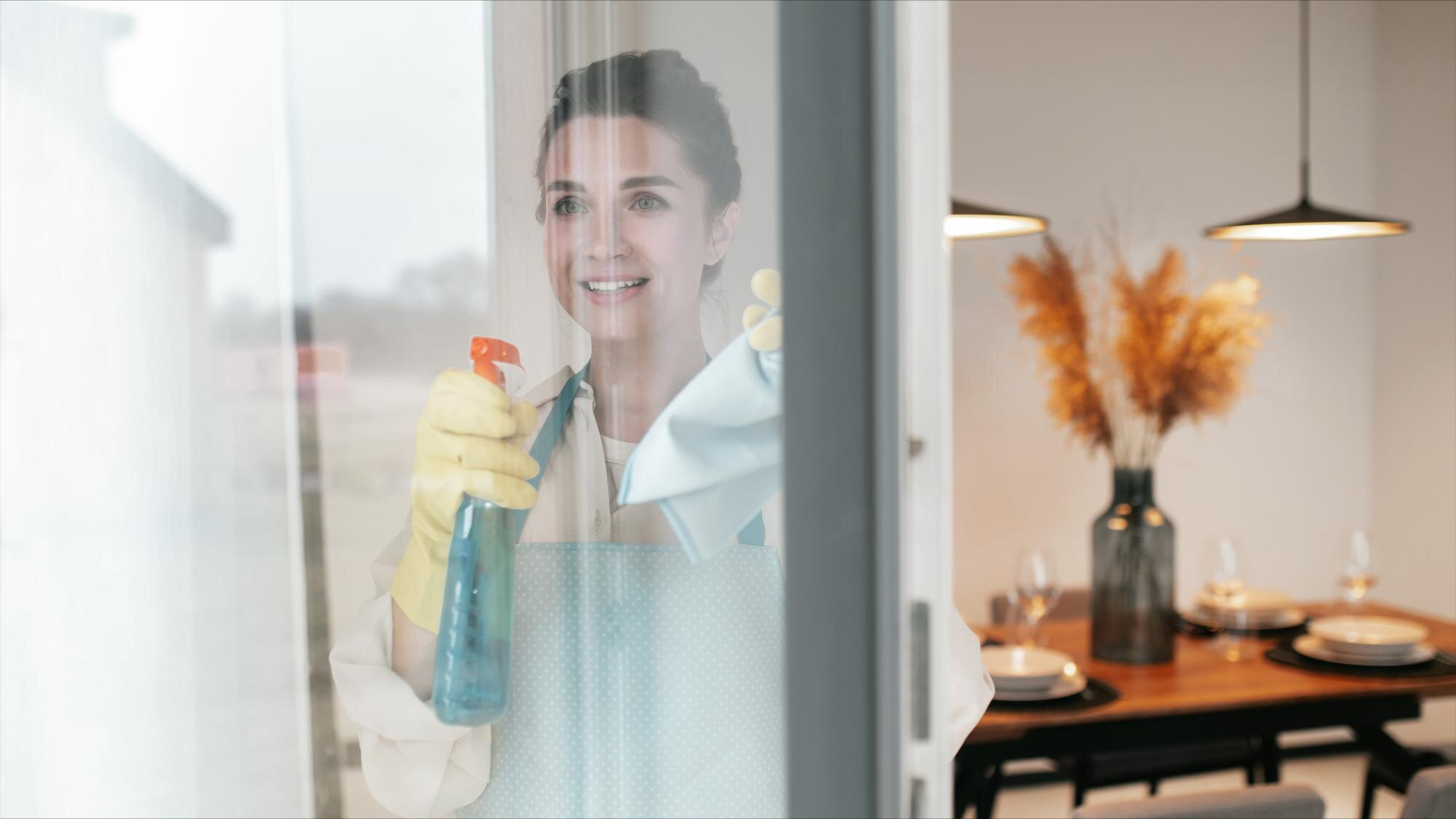
Indoor air influences comfort, health, and daily energy levels. Many homes trap dust, allergens, and microscopic particles inside, especially when windows remain closed for long periods. Because of this, air inside homes can sometimes contain more pollutants than outdoor air. A structured cleaning routine focused on air safety helps reduce these risks and supports a healthier living environment.
Many homeowners focus only on visible dirt and surfaces. However, invisible particles often create the biggest air quality challenges. Consistent indoor air quality cleaning supports long-term home comfort, improves air freshness, and reduces hidden contamination that builds up over time.
Why Clean Indoor Air Supports Everyday Wellness
Airborne particles move easily between rooms through airflow and daily activity. When dust and allergens accumulate, they circulate repeatedly throughout living spaces. Because of this, maintaining clean air plays a major role in supporting respiratory comfort and overall indoor freshness.
Regular cleaning removes airborne particles through surface cleaning, dust capture, and deep cleaning techniques. Routine maintenance also prevents buildup from becoming difficult to remove later.
Common Pollutants Found Inside Homes
Many homes contain small particles that affect air freshness, including:
- Dust mites
- Pet dander
- Pollen particles
- Mold spores
- Construction dust
- Smoke residue
- Fabric fibers
These particles remain suspended in the air for long periods. Because of this, indoor air quality cleaning must address both surfaces and airflow pathways throughout the home.
How Air Quality Influences Daily Comfort
Poor indoor air can contribute to discomfort and irritation. Some people notice symptoms more quickly in enclosed environments with limited airflow. Indoor air quality cleaning helps reduce these triggers and supports cleaner breathing environments.
Air quality issues may contribute to:
- Sneezing or allergy reactions
- Dry throat or eye irritation
- Headaches or fatigue
- Lingering indoor odors
Consistent cleaning and dust control help reduce these triggers and create more comfortable living spaces.
Why Dust Removal Is Essential
Dust removal is one of the most important parts of indoor air quality cleaning. Dust particles hold allergens, bacteria, and organic debris. When dust is disturbed, it becomes airborne again and spreads through airflow.
Using proper dust removal techniques improves results. Microfiber cloths and HEPA filtration vacuums help capture smaller particles instead of redistributing them into the air.
Hidden Dust Areas Many Homes Miss
Many cleaning routines focus only on visible surfaces. However, hidden dust often accumulates in overlooked areas, including:
- Baseboards
- Ceiling fan blades
- Air vents
- Window tracks
- Behind large appliances
- Upholstered furniture
Because these areas collect dust slowly over time, indoor air quality cleaning routines must include them to maintain consistent results.
Best Dust Removal Practices
To improve cleaning effectiveness:
- Dust surfaces before vacuuming
- Use microfiber cloths instead of dry paper towels
- Clean from top surfaces downward
- Replace vacuum filters regularly
- Clean vents and air returns seasonally
These methods help prevent dust redistribution and support healthier indoor air.
The Role of Allergen Control in Cleaner Air
Allergen control is a key part of maintaining healthy indoor environments. Allergens attach easily to fabrics, carpets, and soft furnishings. Because of this, surface cleaning alone is often not enough.
Deep cleaning removes particles trapped inside fibers and improves long-term freshness. This process reduces allergen buildup and supports healthier indoor conditions.
Common Allergen Hotspots in Homes
Allergens often accumulate in:
- Carpets and area rugs
- Curtains and fabric panels
- Bedding and mattresses
- Upholstered furniture
- Closet fabrics and stored textiles
Because these materials trap particles easily, indoor air quality cleaning should target them consistently.
How Deep Cleaning Supports Air Freshness
Deep cleaning improves indoor environments by:
- Removing embedded dust particles
- Extracting allergens from fabric surfaces
- Cleaning air circulation pathways
- Eliminating odor sources
These steps help support long-term freshness and reduce particle recirculation.
How Professional Cleaning Supports Air Health
Professional cleaning services help maintain consistent air-focused cleaning schedules. Many households struggle to maintain deep cleaning routines alone. Professional cleaning adds structure and consistency.
Professional teams often follow detailed cleaning systems. Because of this, indoor air quality cleaning becomes more predictable and thorough.
Tools That Improve Cleaning Performance
Many professional cleaning services use advanced tools, including:
- HEPA filtration vacuums
- Low-residue cleaning solutions
- Microfiber dust capture systems
- Steam cleaning equipment
These tools capture smaller particles, making indoor air quality cleaning more effective.
How Cleaning Frequency Impacts Air Quality
Cleaning frequency plays a major role in maintaining healthy indoor environments.
- Weekly cleaning helps control dust buildup
- Bi-weekly cleaning supports maintenance
- Monthly deep cleaning refreshes indoor air conditions
Consistent schedules prevent heavy contamination and support healthier air conditions.
Why Kitchens Affect Indoor Air Quality
Kitchens produce particles daily through cooking and food preparation. Because of this, air-focused cleaning must include detailed kitchen maintenance.
Common kitchen air contaminants include:
- Grease vapor
- Food particles
- Smoke residue
- Trash bacteria
Regular kitchen cleaning helps reduce airborne contamination and supports overall indoor freshness.
Why Bathrooms Affect Indoor Air Quality
Bathrooms influence indoor air conditions due to moisture and ventilation challenges.
Common bathroom air risks include:
- Moisture buildup
- Mold growth risk
- Cleaning chemical residue
- Limited airflow
Regular cleaning helps prevent humidity-related air contamination and supports healthier indoor environments.
Move-In and Renovation Cleaning Impact Air Quality
Major home transitions require detailed indoor air quality cleaning. Move-in, move-out, and post-construction cleaning remove hidden debris and fine dust particles.
Construction dust spreads easily and remains airborne longer than regular dust. Because of this, deep cleaning after renovations is essential.
Why New or Renovated Homes Need Deep Cleaning
New or renovated homes may contain:
- Drywall dust
- Sawdust particles
- Paint residue
- Adhesive particles
Removing these materials improves indoor conditions before occupancy.
Daily Habits That Support Cleaner Air
Air-focused cleaning works best when supported by daily prevention habits. Small changes help reduce particle buildup between deep cleaning sessions.
Helpful habits include:
- Removing shoes indoors
- Using entry door mats
- Replacing HVAC filters regularly
- Opening windows when weather allows
- Vacuuming high-traffic areas frequently
These habits support long-term indoor air quality cleaning success.
Choosing Reliable Cleaning Providers
Choosing experienced cleaning providers improves long-term cleaning consistency. Reliable providers follow structured protocols and maintain quality standards.
Professional cleaning companies often provide customized cleaning plans. This helps ensure indoor air quality cleaning targets each home’s specific needs.
What to Look For in Cleaning Providers
When choosing a provider, consider:
- Consistent cleaning checklists
- Trained cleaning teams
- Flexible scheduling options
- Satisfaction guarantees
- Strong community reputation
Consistent service supports long-term indoor air quality cleaning results.
Breathe Better, Live Better
Clean indoor environments support healthier homes and more comfortable living spaces. Consistent indoor air quality cleaning reduces airborne contaminants and prevents long-term buildup.
Investing in air-focused cleaning improves home health, reduces allergen exposure, and supports better daily comfort. Whether through professional services or consistent home maintenance, indoor air quality cleaning remains essential for modern homes.