
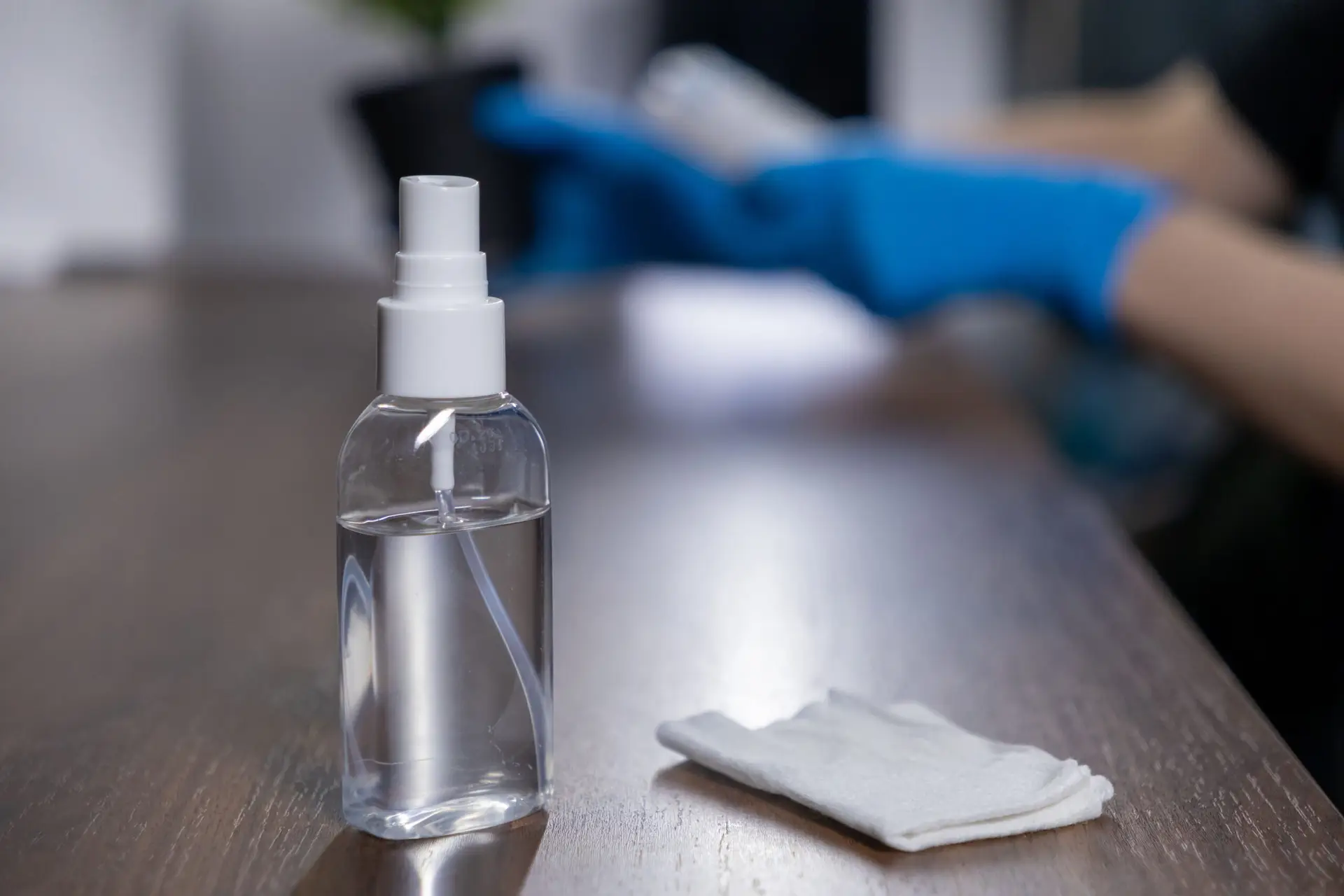
When it comes to keeping a home healthy, the choice between disinfecting sprays and wipes often comes down to convenience. However, beyond the ease of use, there are important functional differences in how these products perform. Choosing the right tool isn’t just about speed—it’s about using the product correctly to ensure it actually kills the germs it claims to target.
Understanding when to reach for a spray versus a wipe can help you optimize your cleaning routine, reduce waste, and keep your surfaces—and your family—safer.
Why This Cleaning Task Matters
Many homeowners make the mistake of assuming that “disinfecting” is an all-purpose solution for a dirty house. In reality, disinfectants are only effective on pre-cleaned surfaces. If you use a wipe or spray on a surface coated in grease, dust, or food residue, the chemical cannot effectively reach the bacteria beneath.
Furthermore, every disinfectant has a required “dwell time”—the amount of time the surface must remain visibly wet for the product to work. Whether you use a spray or a wipe, failing to meet this time requirement means the product is essentially being wiped away before it can finish the job.
Step-by-Step Cleaning Method
When to Use Disinfecting Spray
Sprays are generally better for large, flat surfaces where you need full coverage.
- Best for: Countertops, large appliance fronts, and bathroom vanities.
- Technique: Clean the surface first with soap and water. Spray the disinfectant liberally to ensure the surface stays wet for the required dwell time (check the label—this is often 3–10 minutes).
When to Use Disinfecting Wipes
Wipes are designed for targeted, high-touch zones where you want to avoid “overspray” or puddles of chemical.
- Best for: Doorknobs, light switches, TV remotes, faucet handles, and cabinet pulls.
- Technique: Use one wipe per surface area. As the wipe dries out, it loses its ability to disinfect, so don’t try to use a single wipe to “do the whole house.”
The Comparison Guide
- Convenience: Wipes win for quick daily resets; sprays win for large-scale cleaning.
- Coverage: Sprays provide better uniform coverage for wide areas.
- Waste: Wipes create more trash; sprays require a reusable (and washable) cloth.
- Safety: Always check the label. Many sprays are too harsh for electronics or natural stone, while some wipes contain ingredients that should not come into contact with food.
Mistakes to Avoid
- The “Flash” Dry: The most common error is wiping the product dry immediately. If the surface isn’t left wet, you haven’t disinfected it. If a surface dries in 30 seconds but the bottle requires 5 minutes, you must keep applying the product.
- One Wipe for Everything: Once a wipe starts to feel dry or looks dirty, it’s done. Using a dirty wipe just spreads bacteria from your bathroom to your kitchen.
- Chemical Mixing: Never spray a surface and then use a different cleaner on top of it. Mixing chemicals can cause dangerous fumes or damaging reactions on your furniture finishes.
When Professional Cleaning Helps
Disinfection is only one part of home hygiene. The heavy lifting—removing the grime and buildup that shields bacteria—is best handled through consistent, professional cleaning.
Pristine Cleaning helps you maintain the level of cleanliness that makes disinfection truly effective. Our recurring cleaning services handle the scrubbing, dusting, and polishing that removes the “layer of protection” that germs rely on. By keeping your surfaces consistently clean, we make your home easier to maintain, allowing you to focus on the quick, high-touch disinfecting tasks that keep your space feeling fresh between our visits.
Ready to simplify your home maintenance with a professional touch? Click here to get your custom quote from Pristine Cleaning and start your recurring maintenance plan!
FAQ
Are disinfecting wipes better than spray?
Neither is inherently “better”; they serve different purposes. Wipes are better for small, high-touch surfaces like handles and switches because they offer precise control. Sprays are better for larger areas like counters where you need to apply a larger volume of product to keep the surface wet for the required dwell time.
Do I need to clean before using disinfectant?
Yes. You should always clean a surface with soap and water to remove visible dirt, dust, and grease first. Disinfectants are designed to kill germs, not to remove physical grime, and they cannot work effectively if they are blocked by a layer of debris.
Can disinfecting products damage household surfaces?
Yes. Many disinfecting sprays and wipes contain bleach, alcohol, or other harsh solvents that can strip finishes, etch natural stone (like marble or granite), or discolor wood. Always read the “surface safety” section on the product label before applying it to your countertops, appliances, or furniture.