
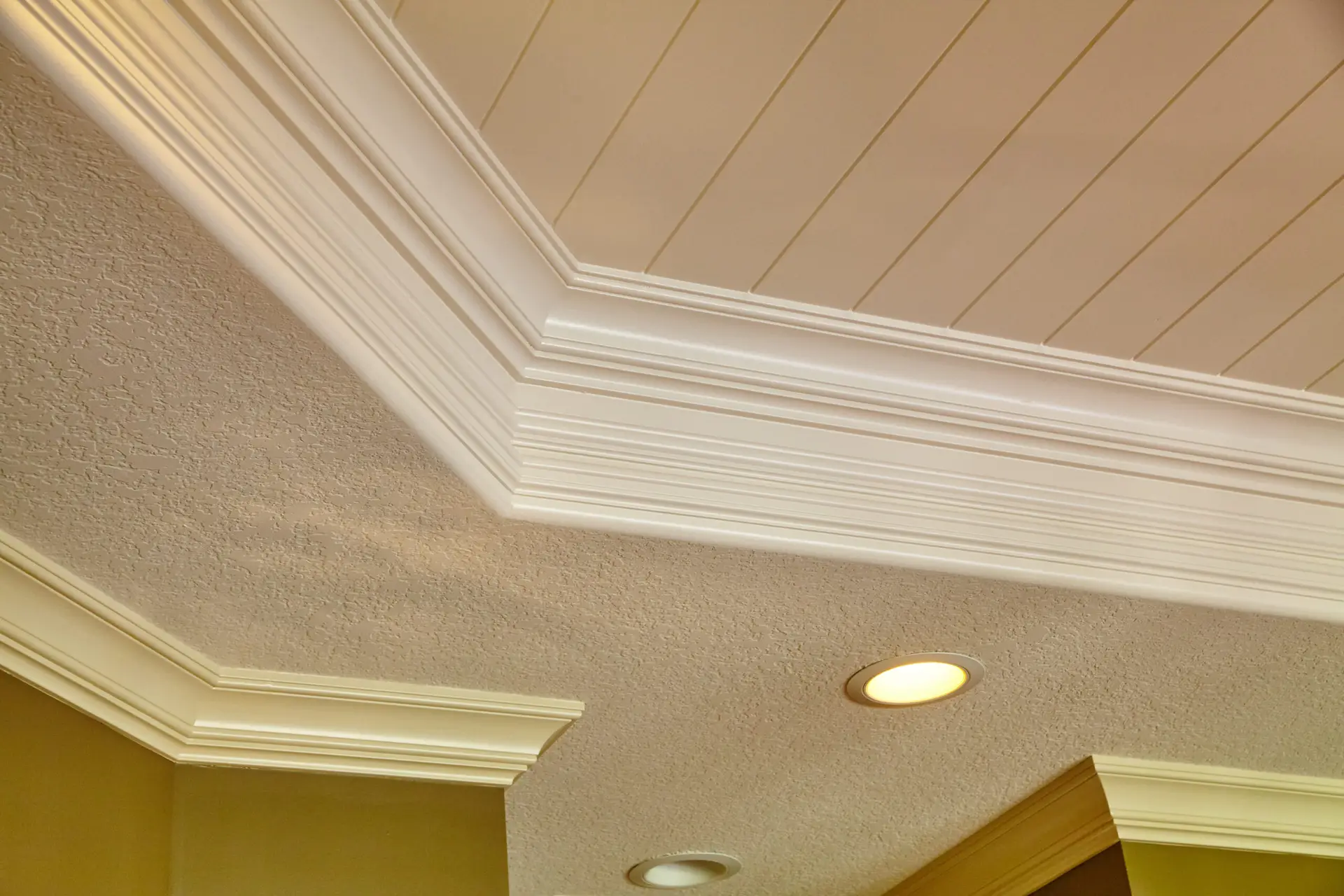
When we talk about a “deep clean,” we often focus on the areas within arm’s reach. However, the most overlooked details—the crown molding, ceiling trim, and upper wall edges—are often the primary culprits for pervasive dust. Because these surfaces sit above eye level, they tend to collect cobwebs and airborne particulates for months or even years.
Cleaning these high-reaching areas isn’t just about appearances; it’s about controlling the dust cycle. By keeping your ceiling trim clean, you prevent a constant “snowfall” of particles from settling onto your furniture, curtains, and floors.
Why This Cleaning Task Matters
Dust in the home is mobile. When it accumulates on crown molding, it doesn’t stay there; drafts, air circulation, and vibrations eventually dislodge these particles, sending them down onto your freshly cleaned living spaces.
Furthermore, detailed trim—especially in older homes—is a design feature that defines the room’s character. When it is coated in dust or cobwebs, the architectural detail loses its definition. Regular maintenance of these areas ensures your home looks crisp and prevents the buildup of “gray fuzz” that becomes increasingly difficult to remove once it bonds with paint or wood finishes.
Step-by-Step Cleaning Method
1. Remove Loose Dust First
Never start with a wet cloth on high trim. Dust needs to be removed dry so it doesn’t smear. Use an extendable duster with a flexible microfiber head to reach up and gently “sweep” the tops of the molding. Work slowly around corners and seams where cobwebs love to anchor themselves.
2. The Gravity Rule
Always clean from the top down. If you clean your floors or dust your coffee tables before addressing the crown molding, you are doubling your work. By starting with the trim, you allow any displaced dust to fall to the floor, where it can be easily vacuumed up as your final step.
3. Spot-Cleaning with Care
For marks, scuffs, or stuck-on grime, use a slightly damp microfiber cloth.
- The Test: Always test a tiny, inconspicuous spot (like a corner near a closet) to ensure the moisture doesn’t lift the paint or stain.
- The Technique: Use a light touch. Gently dab at marks rather than scrubbing, which can damage the paint finish or the caulk lines that connect the trim to the wall.
Safety and Planning Checklist:
- Ladder Safety: If you are using a ladder, ensure it is on a level surface and have someone assist you.
- Tool Choice: An extendable microfiber pole is often safer and faster than moving a ladder from room to room.
- Delicate Trim: If your molding has intricate carvings, use a soft-bristled brush to gently loosen debris without forcing the fibers into the cracks.
Mistakes to Avoid
- Too Much Moisture: Excess water is the enemy of wood trim and painted molding. It can lead to peeling paint or warped wood. A damp cloth should be wrung out until it is barely moist.
- Aggressive Force: It is tempting to scrub hard to remove a scuff, but aggressive pressure often leaves a “shiny” spot on matte paint or pulls away old caulk.
- Wrong Sequence: Cleaning floors first and high trim last is the most common mistake. Always work downward to ensure the floor is the final surface you clean.
When Professional Cleaning Helps
Detailed high-trim cleaning is one of the most physically demanding parts of home maintenance. It requires the right tools, careful attention to safety, and a steady hand to avoid damaging your home’s architectural features.
Pristine Cleaning provides the meticulous care your home deserves. We understand that a truly clean home includes the details others miss. Our team utilizes professional-grade extendable tools to clear crown molding, high corners, and decorative trim, ensuring every inch of your space is dust-free and polished. Let us handle the high-reaching, detailed work so you can enjoy a home that feels complete.
Ready to see your home reach its full potential? Click here to schedule your next detail-oriented cleaning with Pristine Cleaning!
FAQ
How often should ceiling molding be dusted?
For most homes, dusting high trim once every three to six months is sufficient to prevent noticeable buildup. If you live in an area with high pollen or if you have a busy household with pets, a quick pass twice a year is recommended.
What tool works best for cleaning crown molding?
An extendable microfiber duster is the gold standard. It is lightweight, reaches high ceilings without a ladder, and the microfiber “fingers” effectively trap dust rather than just pushing it around.
Can professional cleaners clean high trim and molding?
Yes. Professional cleaning services like Pristine Cleaning include the dusting of high-reach areas like crown molding, door frames, and ceiling corners as part of our comprehensive, detail-oriented cleaning process.