
Quick Answer: What Dryer Lint Can You Clean Yourself?
Homeowners can clean the lint screen, visible surfaces, appliance exterior, and accessible floor lint. Internal vent cleaning may require a specialist.
Routine maintenance involves clearing your removable lint filter after every single cycle and wiping down nearby surfaces to keep loose fibers from accumulating across the room.
Why Dryer Lint Builds Up
Explain fabric fibers, airflow, static, hidden corners, and why laundry rooms collect dust quickly.
As clothes tumble through a heated drying cycle, microscopic fibers break away from fabrics. Driven by powerful airflow, these loose fibers pass through the lint screen, but a portion escapes into the surrounding room, settling as heavy dust on washer tops, shelves, and baseboards. Static electricity binds this lint tightly to surfaces, making standard dry dusting ineffective.
Safe Cleaning Steps
Unplug only if moving or touching appliance areas, when appropriate.
Always disconnect your dryer from the electrical outlet or gas line before inspecting or cleaning behind the unit, though keeping it plugged in is fine for basic surface wiping.
Clean the lint screen after each load.
Peel away and discard the trapped blanket of lint from your screen before starting every new load to maintain optimal airflow and drying efficiency.
Vacuum accessible lint around the dryer.
Use a narrow vacuum crevice attachment to suck up floating fuzz accumulated around the base and sides of the appliance.
Wipe machines, shelves, and baseboards.
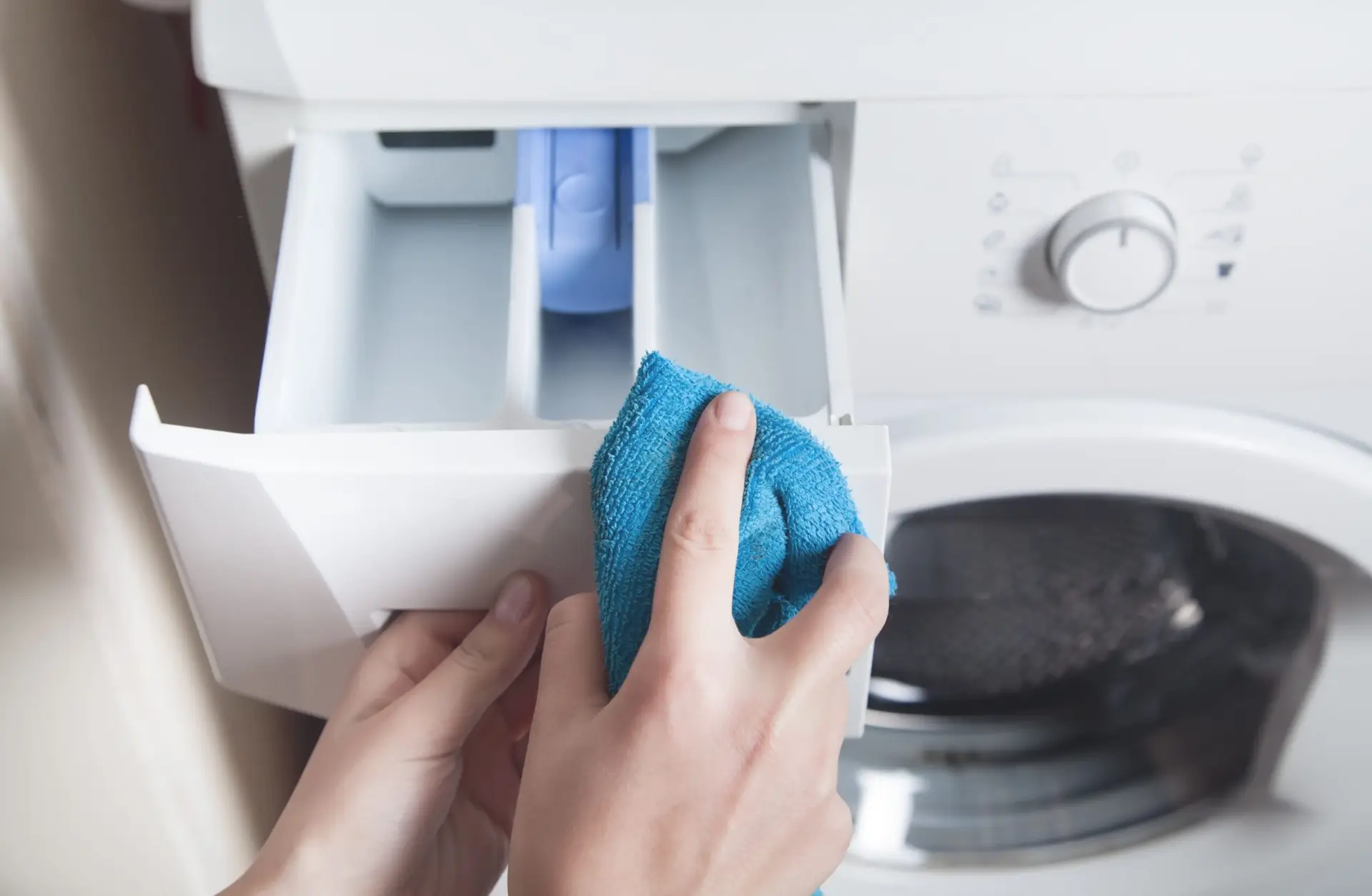
Use a slightly damp microfiber cloth to capture static-clinging lint on dryer exteriors, storage shelving, and surrounding trim.
Do not force tools into appliance components.
Avoid jamming long brushes or coat hangers deep inside internal dryer housing or restricted exhaust ports, which can puncture internal ducts or damage heating elements.
Document when deeper maintenance is outside normal house cleaning.
Standard house cleaning focuses on sanitizing, dusting, and wiping visible home surfaces, whereas deep internal mechanical duct cleaning requires specialized technician tools.
CTA: Position Pristine Cleaning for visible laundry room surface cleaning, not appliance repair.
Keep your laundry space looking sparkling and fresh without the hassle. Let our professional team handle visible surface cleaning, dusting, and floor care. Explore our comprehensive Residential Cleaning or schedule a thorough Deep Cleaning today. For more great tips on protecting your Birmingham home, check out our guide on cleaning habits that extend the life of your home.
Laundry Room Surfaces to Include
Floors, shelves, detergent bottles, washer lid, dryer top, baseboards, and trash area.
Give every surface in your laundry room a thorough wipe-down regularly to prevent lint and detergent drips from baking into permanent grime.
When to Seek Dryer Vent Service
Mention long drying times, burning smells, and inaccessible ducts as signs to call a qualified vent technician.
If your clothes take multiple cycles to dry completely, your dryer feels excessively hot to the touch, or you notice a faint burning odor, your exhaust duct is likely clogged deep inside the wall or roof and requires a certified vent cleaning professional.
Frequently Asked Questions
How often should dryer lint be cleaned?
Clean your lint screen after every single load, and vacuum around and beneath your dryer during your weekly cleaning routine.
Can house cleaners clean dryer vents?
No. Professional house cleaners clean visible surfaces, floors, and exteriors, but internal duct and vent cleaning requires specialized HVAC technician equipment.
Where does lint collect in a laundry room?
Lint settles primarily on the dryer top, inside the lint trap slot, behind the washing machine, along baseboards, and on nearby shelving.
How do I reduce laundry room dust?
Clean your lint trap consistently, wipe surfaces weekly with damp microfiber cloths, and ensure your dryer’s exhaust duct is clear and tightly sealed.
Is dryer lint a cleaning or maintenance issue?
It is both! Clearing surface lint is a cleaning habit, while maintaining internal exhaust ducts and fire safety clearance falls under appliance maintenance.