
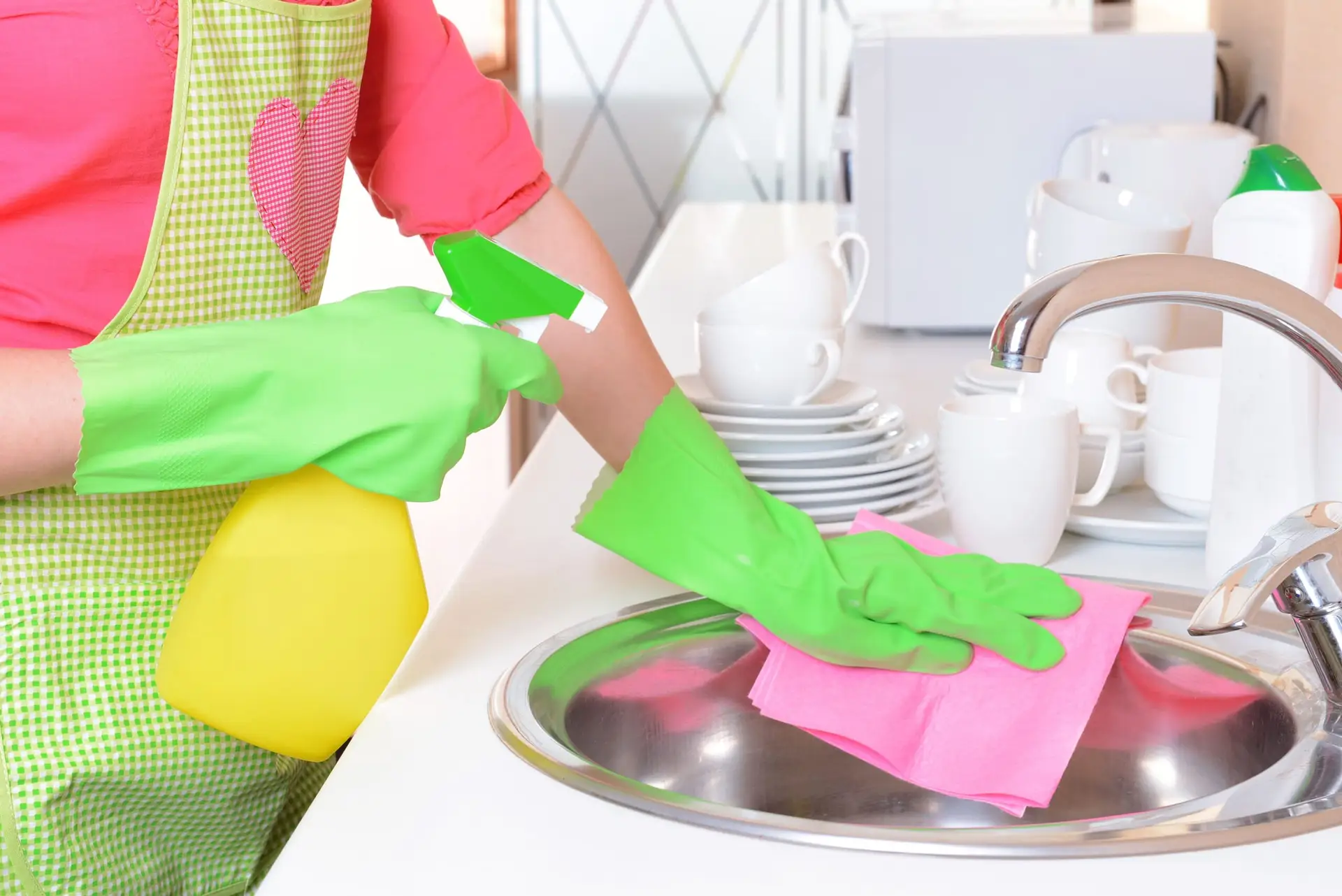
Keeping a home healthy involves more than just a quick surface wipe. Between family members, guests, and the daily hustle, our living spaces inevitably become a collection point for dust, allergens, and germs. The secret to a healthier home isn’t just buying stronger chemicals; it’s about shifting your routine from reactive scrubbing to proactive maintenance. By understanding how germs migrate through your home and focusing on the areas that matter most, you can create a safer, fresher environment with less stress.
Why This Cleaning Task Matters
Most homeowners focus on visual cleanliness, but the most important aspect of a healthy home is often invisible. High-touch surfaces—the places your hands land dozens of times a day—are the primary conduits for spreading residue and bacteria.
Understanding the Hierarchy of Clean
- Cleaning: The physical removal of dirt, grease, and debris using soap or detergent. This is your foundation.
- Sanitizing: Reducing the number of germs to a safe level, often through heat or specific chemical agents.
- Disinfecting: Using chemicals to kill specific pathogens.
Disinfecting is ineffective if you skip the cleaning step. Dirt and grease act as a shield, protecting germs from the disinfectant. By mastering the “clean first, disinfect later” approach, you ensure your efforts actually work.
Step-by-Step Cleaning Method
1. The “Clean-First” Rule
Never reach for the disinfectant spray until the surface is visibly clean. Use a microfiber cloth and a mild cleaner to wipe away dust, crumbs, or fingerprints. Once the surface is physically clean, you can apply your sanitizer or disinfectant where necessary.
2. Target the High-Touch Zones
Focus your energy where it makes the most impact. If your time is limited, prioritize these areas:
- The Kitchen: Faucet handles, cabinet pulls, refrigerator doors, and appliance buttons.
- The Bathroom: Toilet flush handles, faucet knobs, light switches, and door plates.
- General Living Areas: TV remotes, light switches, banisters, and door handles.
3. Prevent Cross-Contamination
One of the biggest mistakes in home cleaning is using the same cloth across different zones.
- Color-Code Your Cloths: Use specific colors for the bathroom versus the kitchen to ensure you aren’t moving bacteria from one room to another.
- Manage Your Tools: Replace kitchen sponges frequently, and wash your microfiber cloths in hot water after every use. A dirty cloth just redistributes grime.
Weekly Germ-Reduction Checklist
- Daily: Wipe high-touch surfaces in the kitchen and bathroom.
- Weekly: Thoroughly disinfect toilets, sanitize sink areas, and wipe down frequently used electronics (following manufacturer instructions).
- Monthly: Wash decorative pillows, clean trash bins, and sanitize the inside of appliance handles.
Mistakes to Avoid
- Ignoring Contact Time: This is the most common error. Most disinfecting products require the surface to remain wet for a specific amount of time (often 3–10 minutes) to work. If you spray and wipe immediately, you aren’t actually disinfecting. Read the label.
- Mixing Chemicals: Never mix products. Combining bleach with ammonia or other acids can create toxic gases.
- Over-Cleaning Low-Traffic Areas: Don’t waste energy disinfecting walls or low-traffic shelves. Focus your time on the “hot zones” where people actually touch the surfaces.
When Professional Cleaning Helps
Consistency is the hardest part of maintaining a hygienic home. Life gets busy, and even the most diligent households find it difficult to keep up with the deep-cleaning tasks that prevent germ buildup.
Pristine Cleaning provides the reliable, recurring support needed to keep your home’s “hot zones” under control. We use systematic, detail-oriented cleaning methods that prioritize the high-touch surfaces homeowners often miss. By delegating this essential maintenance to our professionals, you ensure a consistent baseline of cleanliness that keeps your family environment fresh and healthy, month after month.
Ready to simplify your routine and enjoy a cleaner, healthier home? Click here to get your custom quote from Pristine Cleaning and secure your recurring cleaning plan today!
FAQ
What household surfaces have the most germs?
High-touch areas like kitchen faucet handles, TV remotes, light switches, toilet flush handles, and refrigerator door pulls typically harbor the highest concentrations of bacteria because they are handled by multiple people throughout the day.
Should I clean or disinfect first?
Always clean first. Disinfectants cannot effectively kill germs if they are blocked by a layer of dirt, grease, or dust. Physically removing the debris first allows the disinfectant to make direct contact with the surface.
How often should high-touch surfaces be cleaned?
In a busy household, high-touch surfaces should be wiped down daily. A more thorough disinfecting session for these areas should be part of your weekly maintenance routine to ensure a consistently healthy living environment.