
Quick Answer: Best Way to Reduce Indoor Pollen
Clean entryways, vacuum with attachments, dust with microfiber, wash linens, and keep windowsills and floors maintained.
Mitigating indoor allergens requires a strategic mix of filtering outdoor particles at the threshold and actively capturing settled dust inside your living spaces.
How Pollen Gets Inside
Shoes, pets, open doors, windows, clothing, HVAC airflow, and outdoor furniture bring particles indoors.
Pollen grains are microscopic and easily airborne, traveling on the wind through cracked windows and clinging tightly to clothing, shoes, and pet fur every time someone steps outside.
Mention Birmingham pollen season as a local reason to stay consistent.
In Birmingham, Alabama, heavy seasonal tree and grass pollens blanket the region, making proactive indoor cleaning essential to keeping allergy symptoms under control and maintaining a breathable home environment.
Cleaning Tasks That Reduce Pollen
Vacuum carpets and rugs.
Use a HEPA-filtered vacuum to extract fine pollen grains trapped deep within rug fibers.
Dust blinds and windowsills.
Wipe down window frames and blinds where yellow pollen dust settles in thick layers.
Mop hard floors.
Use damp microfiber mops on hardwood and tile to capture grit rather than stirring it back into the air.
Wash bedding and throws.
Wash sheets, pillowcases, and blankets weekly in hot water to eliminate pollen carried indoors on hair and clothing.
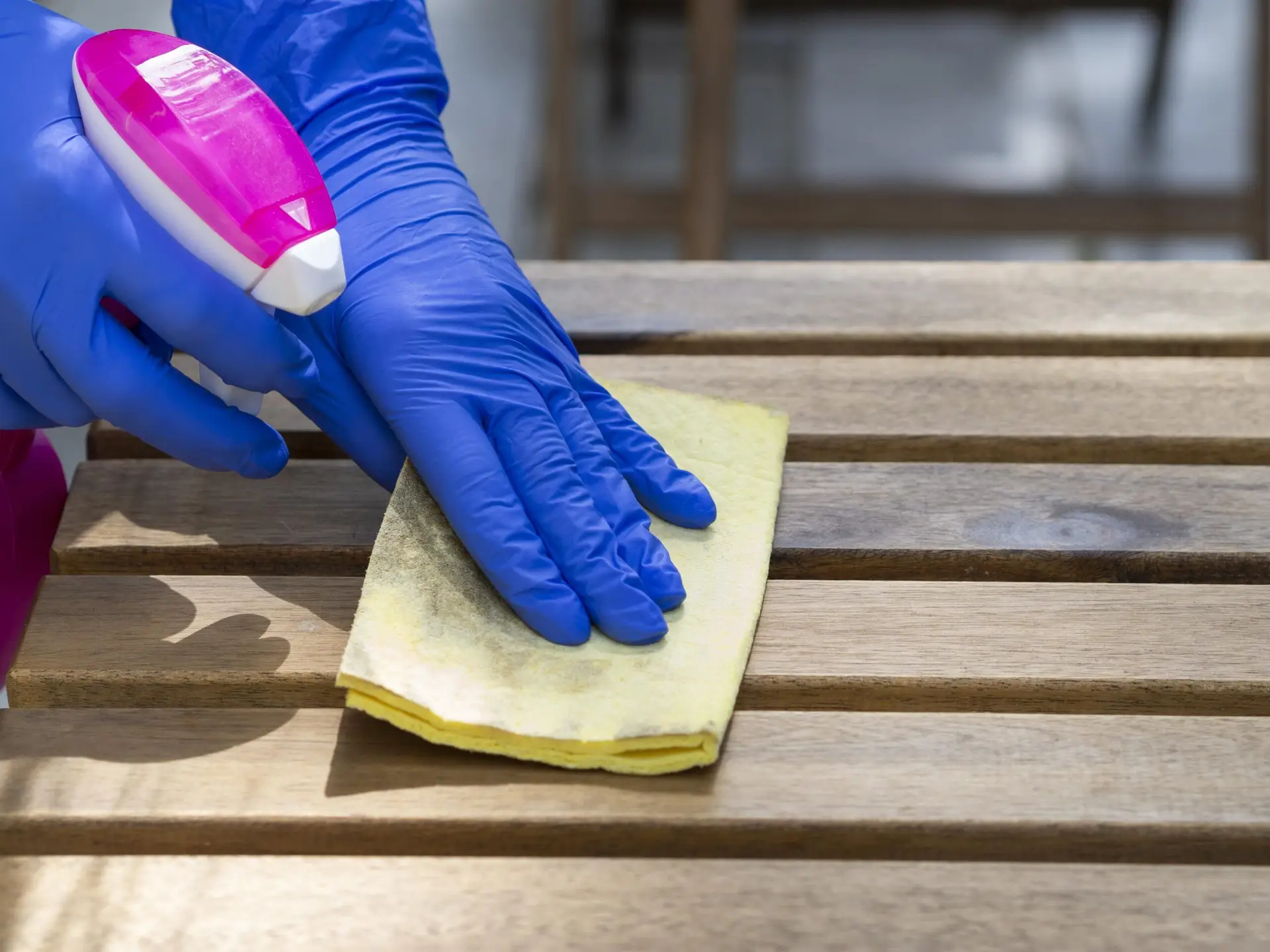
Use microfiber instead of dry dusters that scatter particles.
Always use damp or electrostatic microfiber cloths, which lock onto fine pollen grains rather than sending them floating back into the room.
CTA: Recommend recurring cleaning during high-pollen months.
Don’t let seasonal allergies turn your home into a sneezing zone. Let our professionals handle the heavy scrubbing and dusting. Explore our Residential Cleaning options or schedule a comprehensive Deep Cleaning today. For great maintenance advice, check out our guide on regular home cleaning secrets.
Rooms That Need Extra Attention
Entryway.
The absolute frontline where shoes, coats, and pets deposit the highest concentration of outdoor pollen.
Bedrooms.
Sleeping spaces need to remain allergen-free, requiring frequent bedding washes and dusted nightstands.
Living room upholstery.
Sofas and armchairs act like giant fabric air filters, catching and holding onto drifting pollen grains.
Laundry room.
Where pollen-covered clothing and outdoor linens are shaken out and washed.
When Deep Cleaning Helps Allergy-Prone Homes
Deep cleaning can address baseboards, vents, ceiling fans, and hidden dust areas.
When seasonal pollen buildup overwhelms your regular cleaning routine, a professional deep clean ensures neglected high ledges, air vent covers, baseboards, and ceiling fans are thoroughly sanitized, giving your home a fresh reset.
Frequently Asked Questions
How do I get pollen out of my house?
Remove pollen by keeping windows closed during peak counts, using HEPA air purifiers, wiping surfaces with damp microfiber cloths, and vacuuming regularly.
Does vacuuming help with pollen?
Yes, provided your vacuum is equipped with a true HEPA filter. Standard vacuums can blow microscopic pollen particles right back out through their exhaust ports.
Should I dust or vacuum first?
Always dust from top to bottom before you vacuum or mop so that any dislodged pollen falling to the floor is captured during your final cleanup step.
How often should I clean during pollen season?
During peak allergy months in Birmingham, aim to dust and vacuum high-traffic zones at least once or twice a week.
Can professional cleaning reduce indoor allergens?
Yes! Professional cleaning services excel at eliminating trapped dust, pet dander, and outdoor pollen from baseboards, upholstery, floors, and hard-to-reach ledges.